In today’s classrooms, the buzz around inclusion is louder than a school bell, yet many girls with autism still find themselves hesitating to jump into the social whirl. The question on every parent’s mind is: What are the early school peer support programs for girls with autism hesitations? This article will walk you through the most effective programs, explain why they matter, and show how schools can tailor them to meet the unique needs of these young learners. By the end, you’ll have a clear roadmap for creating a supportive, engaging environment where every girl can thrive.
Understanding the Challenge: Why Peer Support Matters
Girls with autism often face subtle social barriers that can feel like invisible walls. Unlike their male peers, they might not exhibit overt behavioral issues; instead, they may withdraw, read social cues differently, or feel anxious in group settings. Peer support programs act as bridges, turning those walls into open doorways. When a girl feels seen and understood by classmates, her confidence grows, and the risk of isolation shrinks.
- Social confidence fuels academic engagement. Positive peer interactions reinforce learning. Early intervention reduces long-term social anxiety.
Ask yourself: Could a simple buddy system change a classroom’s dynamic? The answer is a resounding yes.
Common Early School Peer Support Programs
Peer Buddy Systems
A peer buddy system pairs a neurotypical student with a student on the autism spectrum. The buddy’s role is to help Sensory sensitivities navigate the day—finding the cafeteria, joining group work, or simply offering a friendly chat. It’s a low‑pressure way for girls to practice social skills without the overwhelm of large groups.
Structured Social Skills Groups
These groups run on a schedule—often once a week—and focus on specific skills: turn‑taking, reading facial expressions, or managing transitions. The structured format gives girls a predictable environment where they can experiment and receive feedback.
Inclusive Classroom Practices
Teachers can weave inclusion into everyday lessons. For example, rotating group partners, using visual schedules, or incorporating collaborative projects that allow each student to contribute in their own way. When the classroom itself becomes a supportive ecosystem, the need for separate programs diminishes.
Tailoring Support for Girls with Autism Hesitations
Recognizing Gender‑Specific Needs
Girls often internalize their challenges differently. They may be more likely to mask symptoms, leading to unnoticed anxiety. Teachers should watch for subtle signs: avoiding eye contact, hesitating to speak up, or withdrawing during recess. Early recognition is the first step in tailoring support.
Building Confidence Through Small Group Interactions
Small groups—three to four students—create a safe space for practice. Activities can include:
- Story‑building circles where each girl adds a sentence. Shared art projects that require collaboration but allow individual expression. Role‑play scenarios that mirror real‑life social situations.
These micro‑environments let girls test social scripts and receive immediate, constructive feedback.
Implementing Programs in Your School
Training Teachers and Staff
Educators need the right tools to facilitate peer support effectively. Training sessions should cover:
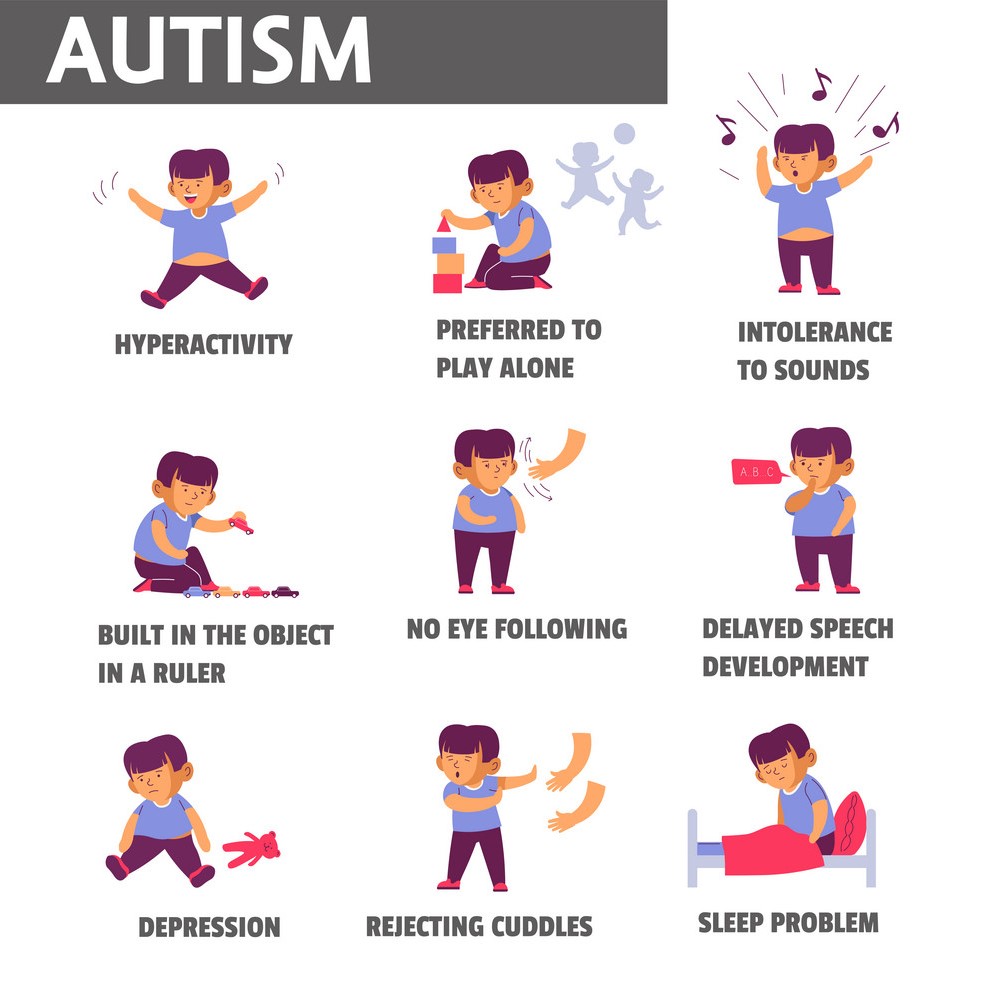
- Understanding autism spectrum differences—especially how girls present. Conflict resolution techniques—to handle misunderstandings gracefully. Positive reinforcement strategies—to celebrate small wins.
A well‑trained staff is the backbone of any successful program.
Engaging Parents and Caregivers
Parents often hold the key to their child’s unique strengths and challenges. Schools can:
- Host informational workshops on peer support benefits. Provide home‑school communication tools—like newsletters or apps—to keep parents in the loop. Encourage parent volunteer opportunities in social skills groups.
When parents and teachers collaborate, the support network expands beyond the classroom walls.
Success Stories and Real‑World Impact
Anecdote of a Girl Named Maya
Maya, a 9‑year‑old with mild autism, once dreaded recess. Her teacher paired her with a buddy, and after a month, Maya started initiating play with two classmates. “I didn’t know how to ask for a game,” Maya confided, “but my buddy showed me the right words.” Her newfound confidence spilled into the classroom, where she began answering questions more readily.
Quote from an Expert
> “Early peer support isn’t just about socialization; it’s about cultivating resilience.”
> — Dr. Elena Martinez, Special Education Researcher

These voices underscore that the impact of peer programs extends far beyond the school day.
Making Your Selection Count
Choosing the right early school peer support program is like picking the right key for a lock—it must fit. Start by assessing your school’s resources, teacher readiness, and the specific needs of the girls you serve. Pilot a small buddy system, Developmental pediatrician gather feedback, and iterate. Remember, the goal isn’t to create a one‑size‑fits‑all solution but to build a flexible, responsive ecosystem where each girl can shine.
If you’re a parent, advocate for these programs at school meetings. If you’re a teacher, ask for training opportunities. And if you’re a school administrator, consider allocating a modest budget for peer support—after all, a supportive classroom is an investment in the future, not a cost.
The journey to inclusive education is a marathon, not a sprint. By embracing early peer support programs, we give girls with autism the chance to step into the classroom’s social arena with confidence, curiosity, and a sense of belonging.